Close Player
Minimize Player Maximize Player
/

6 minutes, 49 seconds
-619 Views 0 Comments 0 Likes 0 Reviews
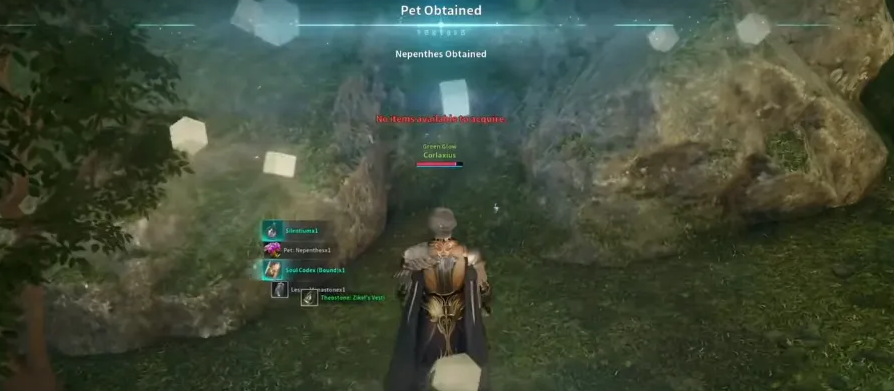
If you have ever spent weeks chasing a single piece of dungeon gear in an MMO, only to watch a teammate roll a 99 and walk away with it, you know exactly how brutal pure randomness can be. On the flip side, if everything is just handed to you on a spreadsheet schedule, the magic of a lucky drop completely vanishes.
Aion 2 tries to walk a fine line between these two extremes. The game relies on a hybrid loot system that combines traditional, low-percentage Random Number Generation with deterministic pity systems. It gives you the thrill of the gamble while ensuring that bad luck won’t permanently halt your endgame progression.
Here is exactly how the game balances pure luck against hard-capped safety nets, and where the real grind hides.
At its baseline, Aion 2 embraces classic MMORPG mechanics. When you clear a dungeon and face the final boss, or open your individual end-of-dungeon reward cube, you are at the mercy of pure probability.
The actual odds of walking away with top-tier gear depend heavily on the type of content you are running:
Base Drop Rates: If you are running high-tier content like the As Fire Temple (Expedition version), the game is relatively generous, offering a 20% base chance for "Gold" (Unique/Heroic) gear. If you take the time to clear side bosses, that chance can climb up to around 40%. However, if you are tackling standard conquest or alternative dungeons, those base rates plummet to somewhere between 1.5% and 5%.
Splitting the Spoils: For the valuable items that drop directly from the boss body, Aion 2 uses a traditional "Roll Dice" function. Everyone in the party who is eligible throws a virtual set of dice, and the highest number wins.
Binding and Trading: The items you pull out of your personal end-of-dungeon reward cube are Bind on Pickup—they belong to you and you alone. However, "clean drops" looted directly off a monster or boss can often be traded among the group members who actually completed that specific run, giving you a small window to share the wealth.
To stop players from quitting out of sheer frustration after dozens of empty runs, Aion 2 integrates a hard-cap token system. Every time you defeat a final dungeon boss, you are guaranteed to walk away with specific boss shards or progression vouchers.
This is your bad luck mitigation. If you are chasing the game's ultimate prizes—like the highly coveted PvE Extendable Weapons—the pity system is designed to reward your persistence at around the 28-run threshold. If the weapon never drops naturally through RNG during those attempts, the vouchers you accumulated along the way will finally allow you to manually craft or purchase the item outright. It turns a frustrating gamble into a visible, predictable finish line.
Don't let the pity system fool you into thinking the endgame grind is easy. Aion 2 simply shifts the heaviest RNG from the base item to its actual attributes through a mechanic called the Soulbine System.
Getting the weapon or armor piece is the easy part. The real battle begins when you bind the gear, which triggers an automated roll for four random sub-stats chosen from a massive pool of roughly 30 different attributes.
If you want to reroll those stats to optimize your build, you have to fuse a duplicate item of the same tier. There is absolutely no pity system for these traits. Desirable endgame stats can have roll probabilities as low as 1%. You might get your ideal weapon in 28 runs, but turning it into a perfect god-roll item is a pure, unmitigated gamble that serves as the game's true long-term grind.
Your ability to work both the RNG and the pity systems is tightly controlled by how many times you can actually step foot into a dungeon.
The game limits you to 14 free weekly dungeon entries per account, though you can stretch this number a bit if you manage to acquire specific Challenge Tickets.
The efficiency of your runs is also heavily influenced by whether or not you pay for the consolidated Aion 2 Global Subscription. If you are a subscriber, you effectively get "double loot" rewards from the end-boss cubes compared to a free-to-play account. This does not just double your chances of hitting a lucky RNG drop; it also doubles the speed at which you collect the shards and vouchers needed to trigger your pity rewards.
Ultimately, Aion 2’s system means you are never truly wasting your time when you queue up for a dungeon. Even if the dice rolls go against you and the boss drops nothing but garbage, those guaranteed shards mean you are always exactly one step closer to your goal—at least until you start rerolling your stats.


 Loading ...