
Queue
5 minutes, 48 seconds
-7 Views 0 Comments 0 Likes 0 Reviews
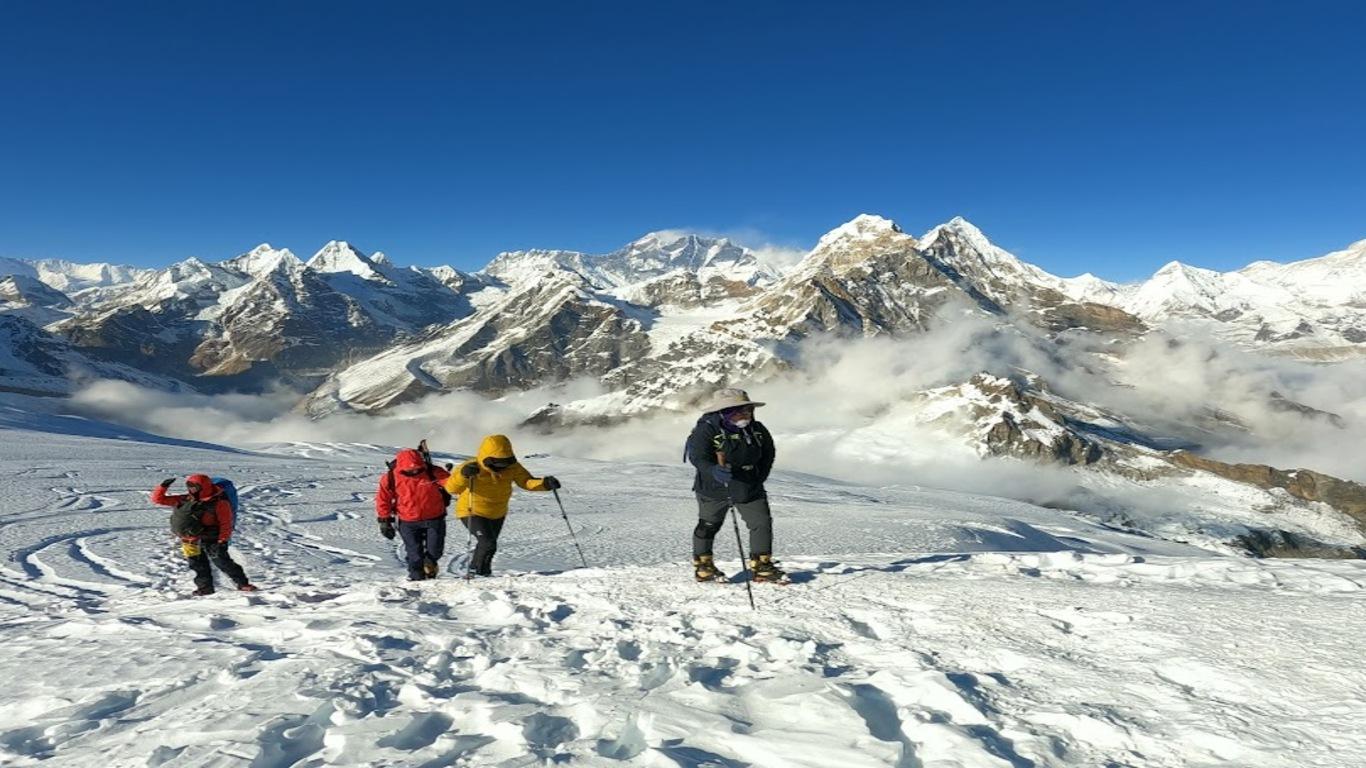
The higher you climb, the more the mountains test your body, mind, and courage. Mera Peak climbing is an exciting Himalayan adventure that takes you beyond a normal trekking trail. At about 6,476 meters, Mera Peak is one of Nepal’s popular trekking peaks. The climb involves long walking days, high altitude, cold weather, and some basic mountaineering skills. It can be challenging, but good preparation and proper guidance can make the experience more manageable.
Mera Peak is often considered a challenging climb rather than a simple trek. The main difficulty comes from the altitude and the length of the journey. You need to walk for several hours on many days and spend time at high elevations.
The final climb can be demanding. Snow, cold temperatures, steep sections, and thin air can make the summit day tiring. Climbers need patience and enough energy to keep moving at a steady pace.
At 6,476 meters, Mera Peak is a high-altitude climb. As you move higher, the amount of oxygen in the air decreases. This can make even simple activities feel harder.
Some trekkers may experience headaches, tiredness, or shortness of breath. Proper acclimatization is important because it gives your body time to adjust to the changing altitude. A well-planned itinerary should include enough time for rest and acclimatization.
If you feel unwell at high altitude, tell your guide immediately. Ignoring serious symptoms can be dangerous.
Mera Peak can be suitable for fit first-time climbers, but it should not be treated like an ordinary hiking trip. Previous high-altitude trekking experience can be helpful because you will already have an idea of how your body responds to elevation.
Basic mountaineering skills are also useful. Climbers may learn how to use equipment such as crampons, harnesses, ropes, and an ice axe. Experienced guides can teach these basic techniques before the summit attempt.
Good fitness can make the climb much easier. You do not need to be an elite athlete, but you should prepare your body for long walking days and uphill sections.
Start training several weeks before the trip. Regular hiking, stair climbing, walking, cycling, and simple strength exercises can help improve stamina. It is also useful to practice walking with a backpack.
Do not focus only on speed. Building endurance and learning to maintain a steady pace are more important for a high-altitude climb.
The weather around Mera Peak can be another challenge. Temperatures can drop sharply at high elevations, especially during the early morning summit push. Snow and strong winds can also make climbing harder.
Proper clothing and equipment are essential. Warm layers, waterproof clothing, good trekking boots, gloves, sunglasses, and suitable climbing equipment can help protect you from the cold and changing conditions.
Nepal Unique Treks and Expedition provides services to help travelers prepare for and complete their Mera Peak adventure. The company can arrange experienced climbing guides, porters, permits, accommodation, transportation, meals, climbing equipment support, and carefully planned itineraries.
Experienced guides can also provide basic rope and ice skills, help with route navigation, and monitor trekkers during the climb. Having professional support can make the journey more organized and allow climbers to focus on preparation and the mountain experience.
Preparation should begin before you arrive in the mountains. Build your fitness gradually, practice long hikes, and learn about high-altitude trekking. Make sure your equipment fits properly and that you understand how to use basic climbing gear.
Mental preparation is also important. Summit day can be long and tiring. Staying patient, following your guide’s instructions, and keeping a steady pace can help you handle the challenge.
Mera Peak climbing is a demanding but rewarding Himalayan adventure. Its high altitude, long trekking days, cold weather, and climbing sections require preparation and care. With good fitness, proper acclimatization, suitable equipment, and experienced support, you can approach the journey with greater confidence. The summit may be challenging, but every step toward the top can become part of an unforgettable Himalayan story.

Queue

 Loading ...


