
Queue
5 minutes, 3 seconds
-38 Views 0 Comments 0 Likes 0 Reviews
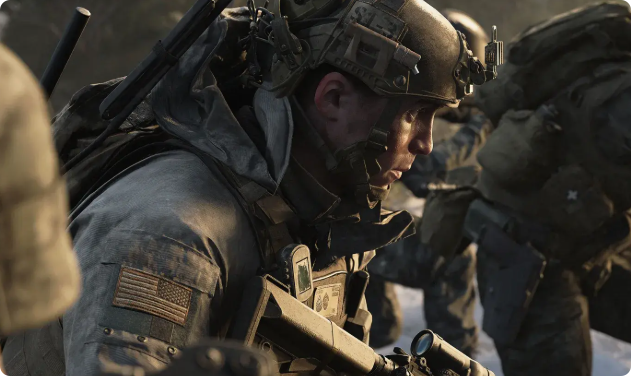
Winning more firefights means little if you keep losing the objective on the way out. For the Call of Duty: Modern Warfare 4 DMZ scenario described here, the useful question is how experienced squads turn combat skill into consistent survival. A listing such as CoD MW4 Boosting doesn't teach those decisions; understanding positioning, resources, and extraction priorities does. Treat this scenario as a tactical framework, not confirmation of specific mode features.
How do you choose which fights to take
The strongest decision often happens before anyone fires. Ask what winning the fight would actually give your squad: progress toward the objective, a safer route, or room to disengage. If the answer is only another elimination, you may be spending resources without improving your position.
That doesn't mean avoiding every contested area. It means entering a fight with a purpose and an exit option, rather than letting the first enemy you spot rewrite your entire run. A squad that knows why it's fighting can also recognize when that reason no longer applies.
How do you improve positioning against enemy squads
Good positioning gives you choices after the opening exchange. Before committing, identify usable cover, a fallback route, and the angle your teammate can support. A strong-looking position becomes a trap if leaving it requires crossing exposed ground.
After contact, reassess instead of automatically repeating the same peek. If the opposing squad is already watching your angle, another challenge gives it a predictable target. Reposition when the situation allows, but keep your movement connected to the team rather than chasing an impressive solo flank.
What makes a loadout useful for survival
A useful loadout supports the fights your squad intends to take. Start with a weapon you can control reliably, then consider what your teammates already cover. Familiar handling is more valuable than copying a setup whose strengths don't match your decisions.
The same principle applies to resources: judge them by what they let you do next. Before extending a run, check whether the squad can handle another engagement and still leave safely. Being equipped for the opening fight isn't the same as being prepared for everything that follows.
How should a squad communicate during combat
Useful communication changes a teammate's next action. Give the enemy's position, describe their movement, and say whether you're holding, pushing, or breaking contact. Long commentary competes with the information everyone needs to make a quick decision.
Be especially clear when your own situation changes. If you can no longer cover a teammate's movement, say so before they commit. Coordinated squads aren't necessarily talking constantly; they're making fewer assumptions about what the other players can see and support.
When should you stop looting and extract
Extraction should shape the run before the final stretch. Revisit the decision whenever the objective changes, supplies shrink, or another engagement makes your route less comfortable. Time already invested isn't a reason to keep accepting worse odds.
Once the squad agrees to leave, optional fights and detours need a stronger justification. That last opportunity can look harmless because everything has gone well so far. Judge it against what you're carrying and what remains to be done, not the momentum of the previous firefight.
The practical lesson is to make each fight serve the objective, preserve options, and leave before confidence turns into unnecessary risk. For your next session, review one decision that helped or hurt your squad's exit instead of focusing only on eliminations. Separately, verify official access details before relying on CoD Modern Warfare 4 Open Beta Early Access Codes for entry, since a listing alone doesn't establish availability.

Queue

 Loading ...


