Close Player
Minimize Player Maximize Player
/

6 minutes, 23 seconds
-478 Views 0 Comments 0 Likes 0 Reviews
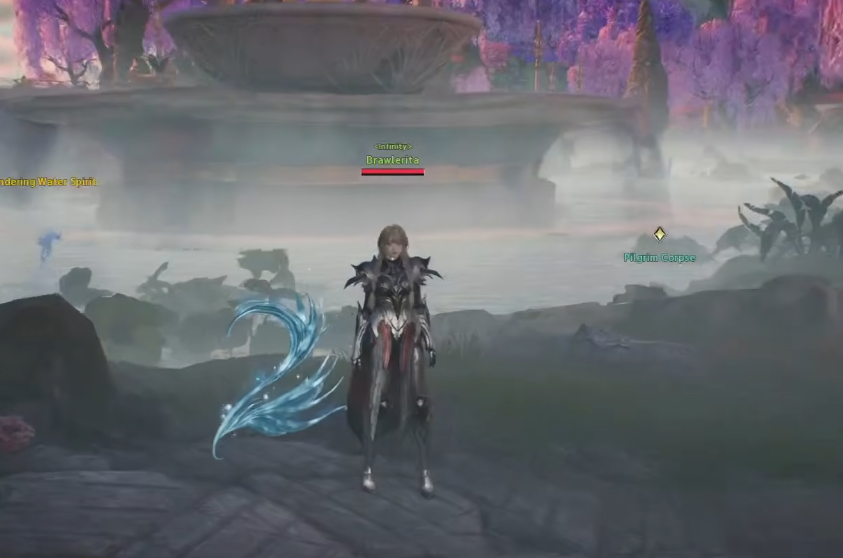
The recent reveal of Aion 2’s monetization model has sparked intense debate across the MMO community, especially among players closely tracking Aion 2 Items and how they will shape progression. While the game is marketed as free-to-play, many fans quickly noticed that the deeper economic systems tell a more complicated story. What initially looked like a familiar structure soon turned into a widespread controversy, fueled by concerns about fairness, accessibility, and long-term balance.
In the first wave of reactions, players focused heavily on how Aion 2 Items would circulate within the game’s economy. The system, as outlined by the developers, introduces multiple currencies and layered mechanics that influence how players acquire gear, materials, and upgrades. At first glance, it resembles standard MMO practices, but the interaction between premium currency and player trading has raised concerns about whether spending money could translate directly into power.
Aion 2 operates with two primary currencies: Quina and Cuna. Quina is the standard in-game currency earned through gameplay, while Cuna is the premium currency purchased with real money. Players can exchange Cuna for Quina through a player-driven marketplace, which is presented as a balanced system but effectively allows real money to influence in-game wealth.
This exchange system is central to the controversy. While the game does not directly sell power, it enables players to convert real-world spending into valuable resources. Those resources can then be used to acquire high-level gear, crafting materials, and other progression-related assets. The distinction between “pay-to-win” and “pay-for-convenience” becomes blurred under this structure.
Another critical layer is the subscription system. To access the marketplace and currency exchange, players must maintain a monthly membership costing around $15. This membership is not optional for those who want to fully engage with the economy.
This creates a divide between players who are fully participating in trading and those who are restricted to basic gameplay. Since the marketplace is the backbone of progression, locking it behind a subscription adds another barrier that influences competitiveness.
The most controversial element comes from the founder packs. These packages offer cosmetic rewards, consumables, and most importantly, five days of early access. While early access itself is common in MMOs, the implementation here is what triggered backlash.
During this early access period, separate servers will have fully active systems, including the marketplace, currency exchange, and PvP matchmaking. This means players who pay for founder packs can begin building wealth, crafting gear, and dominating key areas before the general player base even logs in.
The implications of this system are significant. Reports from previous regional versions of the game suggest that players can reach maximum level within a single day of intense play. Combined with early access, this allows paying players to establish economic and strategic dominance very quickly.
By the time free-to-play users join, early adopters may already control valuable resources, high-end gear, and critical PvP zones. This creates a layered advantage that extends beyond simple head starts and affects the long-term balance of the game.
The community response has been overwhelmingly critical. Many players have pointed to similar systems in past titles and expressed frustration over what they see as repeated mistakes. The phrase “pay-to-win” has dominated discussions, reflecting a broader concern that monetization is taking priority over fair competition.
This is not just nostalgia-driven criticism. The scale and consistency of the feedback suggest genuine concern about how these systems will impact player retention and overall enjoyment.
As the game approaches its Western release, attention is shifting toward how these systems will affect long-term progression and services like Aion 2 Boosting,. When in-game advantages can be accelerated through spending or early access, third-party boosting services often become more appealing, especially for players trying to catch up.
This creates a feedback loop where economic imbalance drives demand for external progression मदद, further complicating the in-game ecosystem. It also raises questions about how the developers will manage fairness and enforcement over time.
Ultimately, the success of Aion 2 may depend on how these concerns are addressed after launch, particularly in relation to Aion 2 Boosting,. If the perceived gap between paying and non-paying players grows too large, it could undermine the competitive integrity that defines the MMO experience.
Balancing monetization with fairness is always challenging, but in this case, the community has made its expectations clear. Whether the developers respond effectively will determine whether Aion 2 thrives or struggles under the weight of its own economic design.


 Loading ...


