
Queue
6 minutes, 46 seconds
-192 Views 0 Comments 0 Likes 0 Reviews
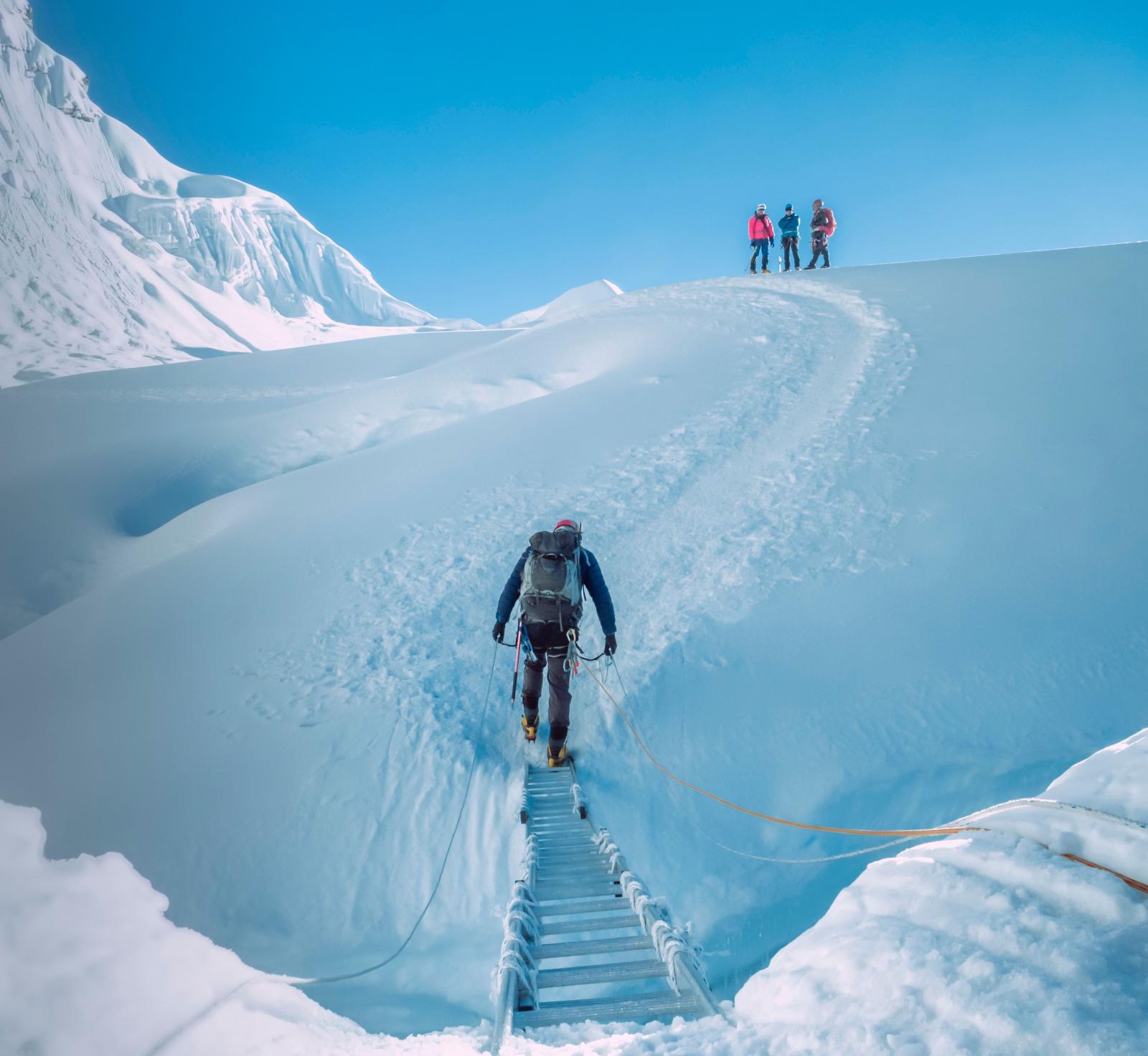
Reaching a mountain summit is a dream for many climbers, but getting back safely is the real success. In Mountaineering in Nepal, climbers face high peaks, changing weather, and long trails. Every decision matters, especially on summit day. One important safety guide is the 2 PM rule. It helps climbers know when to stop climbing and start heading down.
The 2 PM rule is a simple safety guideline used during mountain climbs. It means climbers should reach the summit or turn back by 2 PM, depending on the climb plan and local conditions.
If climbers have not reached the summit by this time, they should stop going higher and begin their descent. Even if the summit looks close, turning back is often the safest choice.
The rule helps climbers avoid coming down late in the day. It is not a fixed law for every mountain. The safe turnaround time may be earlier or later based on the route, weather, daylight, and the team's condition.
Mountain weather can change very fast. A clear morning can turn into a stormy afternoon. Strong winds, snow, and low visibility can make the descent hard.
When we climb for too long, we may also become tired. Our energy drops, and it becomes harder to make good choices. A late descent can increase the risk of accidents.
The 2 PM rule gives us a clear time to think about safety. It reminds us that reaching the top is not more important than returning safely.
The rule supports climbers in several ways:
Reduces weather risks: It helps climbers avoid afternoon storms and strong winds.
Provides enough daylight: It gives the team more time to return before dark.
Controls tiredness: It prevents climbers from pushing too far when they are already tired.
Supports safe decisions: It gives the team a clear reason to turn around.
Protects the whole team: It helps guides and climbers stay together and follow the planned schedule.
A summit may be only a short distance away, but the way down can still take many hours. We must always plan for the return journey.
Nepal is home to some of the world's highest mountains. Peaks such as Everest, Island Peak, Mera Peak, and Ama Dablam attract climbers from many countries.
High-altitude climbing in Nepal brings many challenges. Thin air, cold temperatures, steep slopes, and changing weather can affect the body and mind. Climbers may move more slowly than expected because of altitude and fatigue.
For example, during an Everest or Island Peak climb, reaching the summit is only half the journey. Climbers must still return to a safe camp. A late descent can be dangerous, especially when snow and ice make the route harder.
The 2 PM rule reminds us to respect the mountain and follow a safe plan. In some climbs, the guide may set an even earlier turnaround time.
Turning back can feel disappointing. After days of walking and training, every climber wants to reach the top. I understand how hard it can feel to leave a summit so close.
But we must remember that mountains are not going anywhere. We can return another day when the conditions are better.
If the team cannot reach the summit within the planned time, we should:
Stop climbing and inform the guide.
Check the weather and the condition of every team member.
Follow the planned descent route.
Keep the team together.
Return to camp or a safe place before conditions become worse.
We should never ignore safety just to reach the summit.
A safe mountain journey starts with good planning and the right support. Nepal Social Treks and Expedition helps climbers prepare for mountain adventures in Nepal.
The company provides experienced climbing guides, trained support staff, transport, accommodation, and customized climbing plans. It also helps with permits, route planning, and the equipment needed for each trip.
During a climb, our guides help monitor the weather, team health, and climbing progress. They can set a suitable turnaround time based on the mountain and current conditions. This support helps climbers make better choices and enjoy a safer journey.
The 2 PM rule is more than a time limit. It is a reminder that good climbers know when to move forward and when to turn back. A summit is a wonderful achievement, but a safe return is the greatest reward.
When we climb in Nepal, we must respect nature, listen to our guides, and follow a clear safety plan. Sometimes, turning back is not a failure. It is the bravest and smartest decision we can make.

Queue

 Loading ...


