Close Player
Minimize Player Maximize Player
/

14 minutes, 30 seconds
-8 Views 0 Comments 0 Likes 0 Reviews
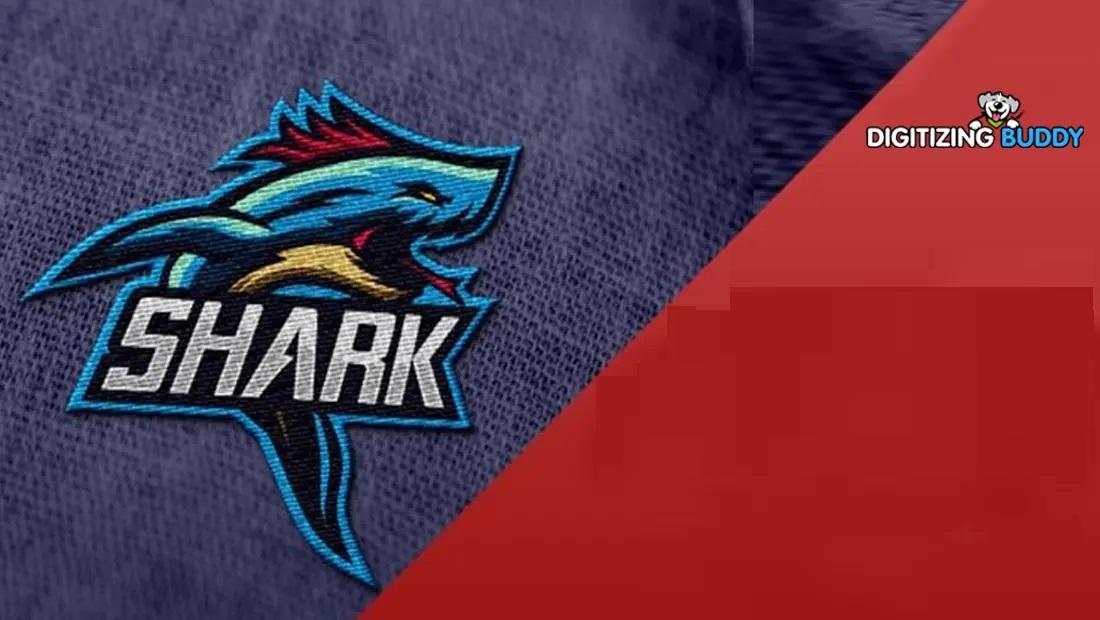
Have you ever looked at an embroidered logo and wondered why a simple-looking design can cost more to prepare than expected? The answer is embroidery digitizing. Before a logo can be stitched by an embroidery machine, it must be converted into a machine-readable embroidery file.
The logo embroidery digitizing cost can vary depending on the artwork, size, stitch count, detail level, and turnaround time. A small text-based logo may be quick to prepare, while a detailed badge with several colors and fine elements can require much more work.
Understanding what affects the price can help you choose the right service without paying for features you do not need.
Logo embroidery digitizing is the process of converting artwork into a stitch file that an embroidery machine can understand. A digitizer decides how different parts of the logo should be stitched, including stitch direction, density, underlay, sequencing, and thread changes.
The result is not simply a converted image. It is a carefully planned set of stitches designed for a particular fabric, garment, and embroidery machine.
Common embroidery file formats include:
DST
PES
EXP
JEF
VP3
HUS
XXX
The required format usually depends on the embroidery machine being used.
There is no single fixed price for every logo. Professional digitizing services commonly price designs according to their complexity rather than simply charging based on the original image.
As a general guide, you may encounter pricing such as:
|
Logo Type |
Typical Cost Range |
|
Simple text or basic logo |
$10–$20 |
|
Medium-detail logo |
$20–$40 |
|
Complex logo |
$40–$75+ |
|
Large or highly detailed artwork |
$75+ |
These are general market ranges, not fixed quotes. The actual price can change based on the design and the amount of digitizing work required.
For example, a small logo containing one color and simple lettering may require far fewer decisions than a detailed emblem containing multiple colors, shading, small text, and intricate outlines.
Several factors influence the final price. Understanding them makes it easier to compare quotes from different embroidery digitizing services.
Complex artwork generally takes more time to digitize.
A basic logo with clean shapes may be relatively straightforward. A design containing gradients, tiny details, overlapping objects, or intricate borders requires more planning.
Stitch count is one of the most important factors in embroidery production.
A logo with 5,000 stitches is usually less demanding than one with 25,000 stitches. More stitches can mean more digitizing decisions and longer machine production time.
However, stitch count should not be the only thing you consider. A well-digitized design can sometimes achieve a clean result with fewer stitches than a poorly planned file.
The physical size of the embroidered logo can affect the digitizing process.
For example, a small left-chest logo needs different stitch planning from a large jacket-back design. Elements that look clear at a large size may become difficult to reproduce when reduced.
A logo with several thread colors may require additional color sequencing and thread changes.
More colors do not automatically mean a poor design, but they can increase production complexity and may affect the overall embroidery cost.
Tiny lettering is one of the biggest challenges in logo embroidery.
Text that looks perfectly readable on a computer screen may become unclear when embroidered. A skilled digitizer may need to adjust letter size, spacing, stitch type, and density to improve readability.
The same logo may need different settings depending on the material.
Cotton, denim, jackets, caps, fleece, and performance fabrics behave differently during embroidery. Stabilizer selection, underlay, density, and compensation may need to change accordingly.
Standard digitizing may cost less than urgent or same-day work.
If you need a file within a few hours, some services may charge an additional rush fee. If your project is not time-sensitive, standard turnaround can help control costs.
You may find online tools that claim to convert an image into an embroidery file automatically. While these tools can be useful for experimentation, professional logo embroidery often requires much more than file conversion.
An embroidery digitizer considers:
Stitch direction
Stitch density
Underlay
Pull compensation
Push compensation
Stitch length
Object sequencing
Thread changes
Fabric behavior
Machine limitations
Think of it like translating a drawing into a language spoken by an embroidery machine. The goal is not simply to convert the image but to tell the machine exactly how to recreate the design with thread.
Automatic digitizing software can produce a basic embroidery file quickly. However, automatic results may contain unnecessary stitches, poor sequencing, uneven density, or details that do not stitch well.
Manual digitizing gives the digitizer more control over individual design elements.
Pros:
Fast for simple artwork
Useful for basic experiments
Can reduce initial preparation time
Cons:
May produce unnecessary stitches
Fine details may not translate well
Requires manual correction in many cases
Pros:
Better stitch planning
More control over density
Improved fabric performance
Better handling of small details
Easier customization for different garments
For business logos and production embroidery, professional digitizing is often worth considering because a poorly prepared file can lead to thread breaks, puckering, gaps, or an untidy finished logo.
You do not necessarily need to choose the cheapest service to save money. Instead, make the project easier to digitize and provide the right information from the beginning.
Send the clearest version of your logo available. Vector artwork such as AI, EPS, or SVG can be particularly useful when available.
A clean reference helps the digitizer understand shapes, colors, and lettering more accurately.
Tell the digitizer where the logo will be embroidered and how large it should be.
For example:
Left chest: approximately 3–4 inches
Hat front: approximately 2–2.5 inches
Jacket back: larger format
The exact size depends on the garment and design.
Let the digitizer know whether the logo will be stitched on cotton, denim, caps, jackets, fleece, or another material.
This information can help with stitch settings and design preparation.
If your machine only requires a specific format, you may not need a large collection of file types.
For example, if your machine requires PES, tell the service provider in advance.
Planning ahead can help you avoid additional rush charges. If you regularly order embroidered products, consider keeping digitized master files organized for future production.
When comparing prices, look beyond the number on the quote.
A professional service may offer features such as:
Machine-ready embroidery files
Multiple file formats
Stitch-count information
Color information
Design adjustments
Quality checking
Revision support
Different size versions
Fast turnaround options
At Digitizing Buddy, the focus should be on creating embroidery files that are practical for real production rather than simply converting artwork into a file extension.
A very low upfront price may look attractive, but the cheapest file is not always the most economical option.
Suppose a poorly digitized logo causes repeated thread breaks, fabric puckering, excessive thread use, or multiple failed samples. You may spend more correcting the problem than you originally saved.
A better approach is to compare quality, service, revisions, turnaround, and price together.
Before choosing an embroidery digitizing service, ask:
What embroidery file format do you provide?
Is the price based on logo complexity or stitch count?
Can you digitize the design for my specific fabric?
Are revisions included?
Do you provide different sizes if needed?
What is the normal turnaround time?
Is there an additional rush fee?
Getting these details upfront can prevent surprises later.
If you want a more accurate estimate, provide the digitizer with as much information as possible.
Include:
Your original logo artwork
Desired embroidery size
Garment or fabric type
Required file format
Number of pieces you plan to embroider
Preferred turnaround time
Any specific thread-color requirements
The more information you provide, the easier it is for the digitizer to understand the project and calculate the appropriate price.
For a business logo, the answer is often yes.
Your embroidered logo represents your brand on uniforms, hats, jackets, bags, workwear, and promotional products. A clean embroidery file can help produce consistent results across different items.
Instead of asking only, “How cheap can I get this digitized?” consider asking, “Will this file produce the result I need?”
That small change in perspective can help you make a better purchasing decision.
The logo embroidery digitizing cost depends on several factors, including design complexity, stitch count, size, fabric, number of colors, small details, and turnaround time.
Simple logos may cost relatively little, while complex artwork can require significantly more digitizing work. The cheapest option is not always the best choice, especially when the file will be used for repeated commercial embroidery.
For the best results, provide clear artwork, specify the final size and fabric, choose the required file format, and compare services based on both price and quality. A properly digitized logo can save time, reduce production problems, and help your embroidered branding look professional.
Simple logos may cost around $10–$20, while medium and complex designs can range from $20 to $75 or more. Actual pricing depends on the artwork and project requirements.
Complex logos require more stitch planning, object sequencing, density adjustments, color changes, and attention to small details. This increases the amount of work required.
Yes, stitch count can influence pricing, particularly for larger or highly detailed designs. However, complexity and digitizing requirements are also important factors.
Yes. Providing clean artwork, giving the correct size and fabric information, avoiding unnecessary rush orders, and requesting only the file formats you need can help control costs.
Not always. A low-cost file may require corrections or produce poor embroidery results. For business logos, it is usually better to balance price with digitizing quality and production reliability.


 Loading ...